Preschool Cartoon Images of Feeding Pet Fish
Fish are a great beginner pet because there are so many choices that it's easy to customize a tank to be exactly what you're looking for. From freshwater tanks to saltwater and even betta fish that can be kept in small bowls, there is a fish out there for everyone. To help, we have come up with a beginner's guide that anyone can use to help figure out what the best option is for their specific situation and how to maintain those tanks to keep your pet fish happy and healthy for as long as possible.
Freshwater Tanks
Pixabay – Jeonsango
Freshwater tanks are a great option for the pet owner who wants to manage a bigger tank without the intricacy often required with taking care of a saltwater tank. There are plenty of beautiful freshwater fish that you can include in any tank set with a little bit of knowledge and planning. Freshwater fish tend to be hardier than saltwater fish and also a lot less expensive.
Pick The Right Tank Size
Pexels – Chait Goli
There are two ways to approach finding the right tank size – you can choose the size of the tank first and then find fish that will fit well in it, or you can select the type of fish you want and purchase an appropriate tank size to fit them. While it may seem a little backwards, with freshwater tanks, larger tanks are often more manageable for beginners. A 20-gallonn tank is often recommended for beginners. You'll want to check the water at least once a week and change it at least once a month for optimal conditions.
Purchase Accessories
Pexels – Tim Mossholder
If you're a real beginner and you don't feel confident picking accessories out by yourself, there are plenty of kits out there that come with everything that you need – filters, water conditioner, heaters, thermometers, etc. You also want to make sure that you have a safe, stable place for the tank to sit. Tanks weigh a lot more than you'd think, and you don't want to end up with a major accident on your hands. Keep your tank away from any direct sunlight, as well.
Choosing The Right Fish
Pexels – Elle Hughes
While most freshwater fish tend to be very hardy, some are easier for beginners than others. Choosing a fish that is easy to take care of can help boost your confidence and teach you the basics about what it takes to really take care of a freshwater tank. As a general rule of thumb, the best beginner fish are community-friendly (meaning they are peaceful and co-exist well with other fish), small in size (3 – 4 inches), and low-waste.
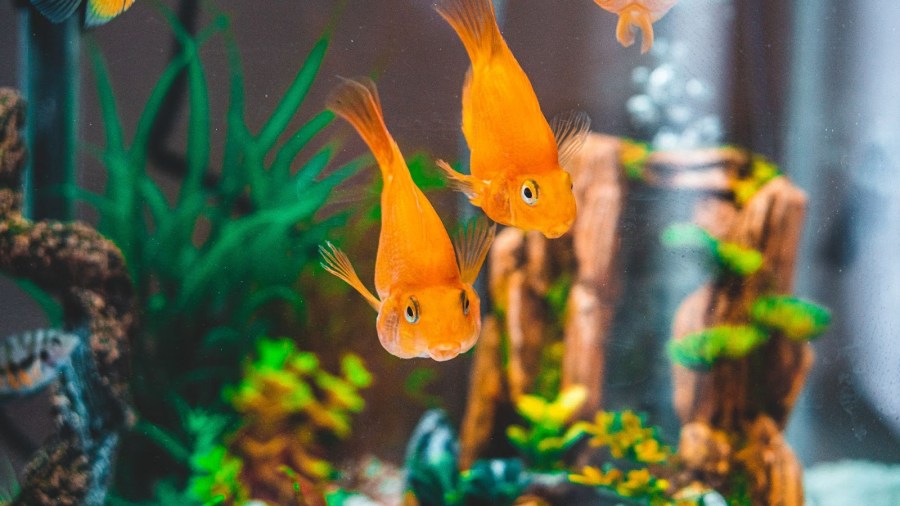
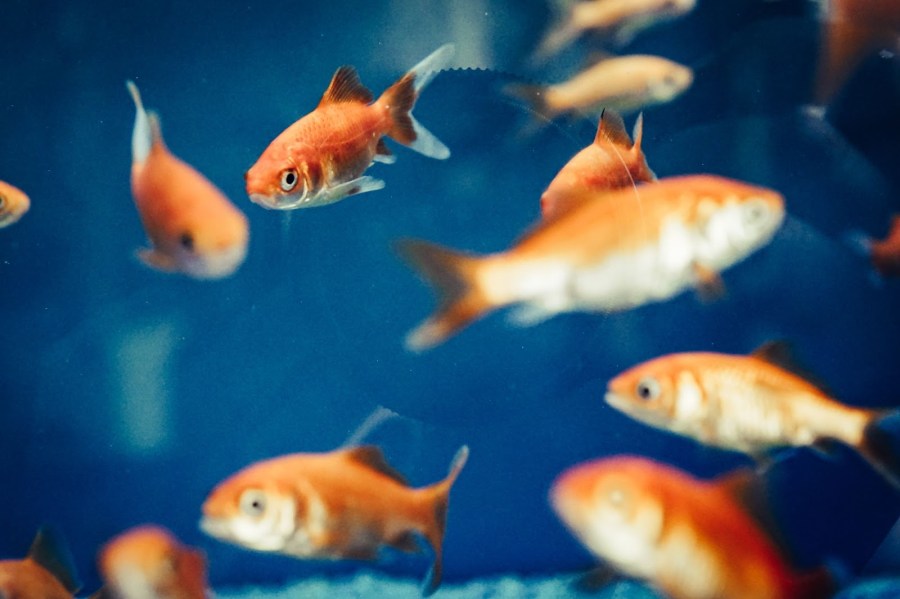
The obvious choice are goldfish. Goldfish are the hardiest of any fish out there and aren't the most particular about water conditions. Most of them don't even need a heater! However, because they can be fairly messy fish, a filter is non-negotiable.
If you want a little more color in your freshwater tank, neon tetras, guppies, and mollies are good options. Other beginner freshwater fish to consider are angelfish and platies.
Most freshwater fish eat the same diet, so you can normally get away with one type of freshwater pellet or flake. Feed a small amount once a day or even every other day. It's better to underfeed fish than overfeed them.
Saltwater Tanks
Pexels – Kelly Lacy
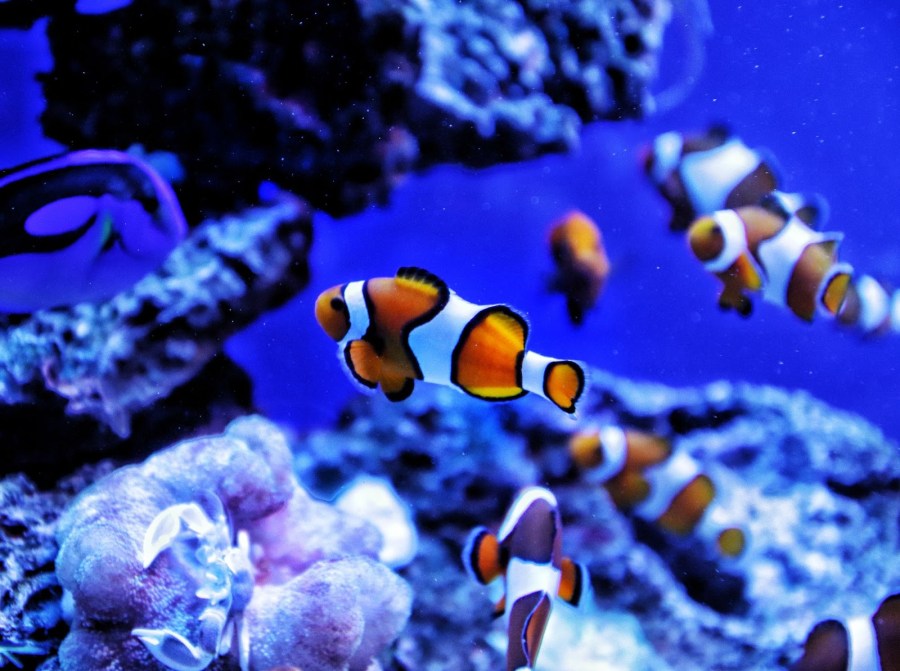
Saltwater tanks, on the other hand, are more involved. There are also more options with saltwater tanks, as you can have live plant-only tanks that don't involve any fish whatsoever. However, the fun with saltwater tanks is choosing unique and exciting fish.
Pick The Right Tank Size
Pexels – Kelly Lacy
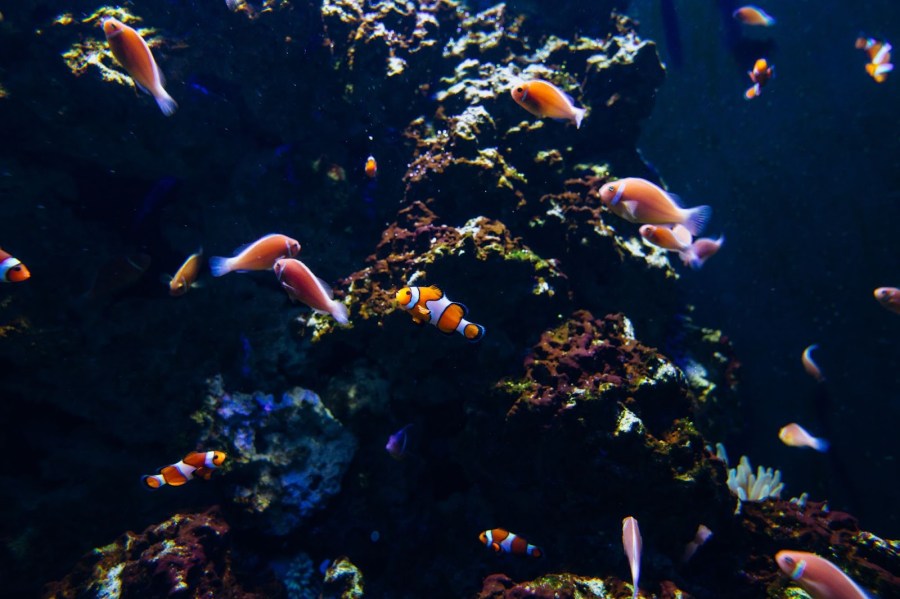
While you can get away with a smaller tank for freshwater fish, saltwater fish need more room. Most experts recommend that you don't consider anything smaller than a 55-gallon tank. Regardless of the size you choose, the water should be tested at least weekly to make sure that the water conditions are right. A water change, at least partial, should also be done monthly to keep your fish as healthy as possible.
Purchase Accessories
Pexels – Nadia Chiesi
After you've decided on your tank size, you'll want to purchase accessories. Important things to consider are lights, filters, a powerhead for water circulation, an air pump, a heater and thermometer, test kits, and maintenance tools. Each of these are extremely important because freshwater fish require very specific conditions to thrive. While there are kits available, it is better to purchase each individually so that you can specify the conditions to be what your fish need.
With saltwater tanks, you may also want to consider adding live plants. Not only do live plants add uniqueness and beauty to any setup, but they also help to filter the water further and remove additional toxins.
Choosing The Right Fish
Pexels – Vural
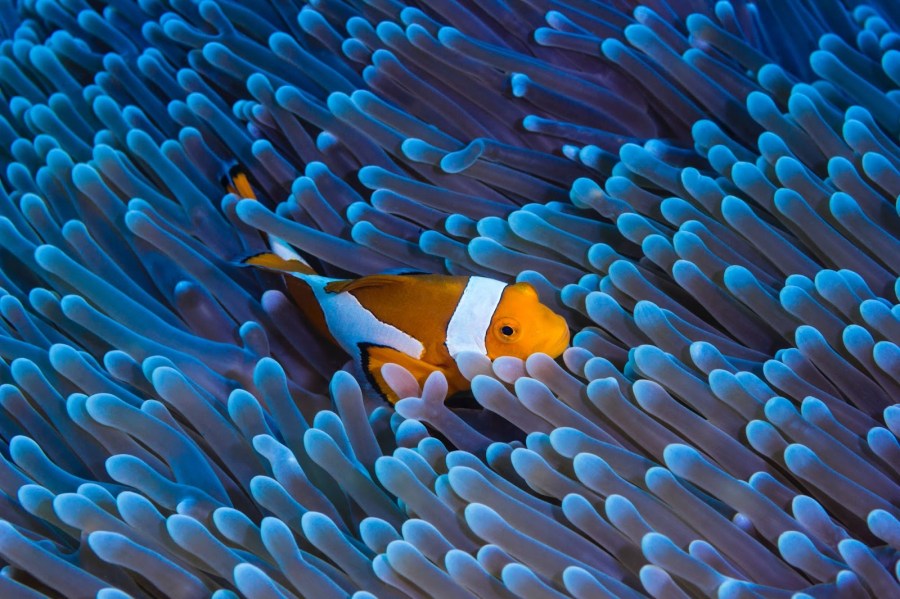
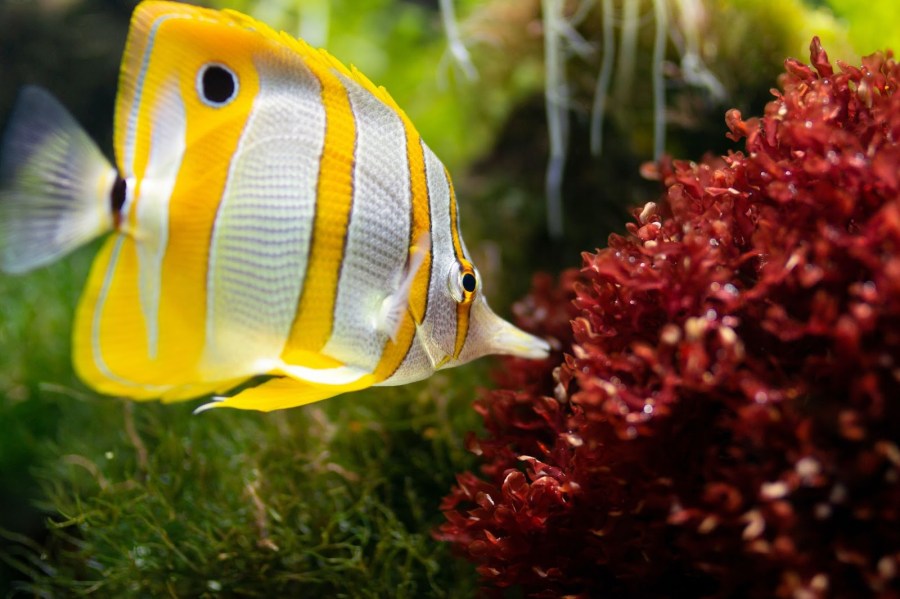
Even though saltwater fish tend to be a little more tricky to manage than freshwater, a few are better for beginners. Damsels, clownfish, yellow tang, and hawkfish are great, but always make sure that the fish you choose will get along with each other.
Each fish has slightly different nutritional needs, too. The good news with saltwater fish, just like freshwater fish, is that they have their own pellet or flake diets that can just be sprinkled on the top of the tank. There are also special snacks meant for saltwater fish if you want to spice things up every once in a while.
Betta Fish
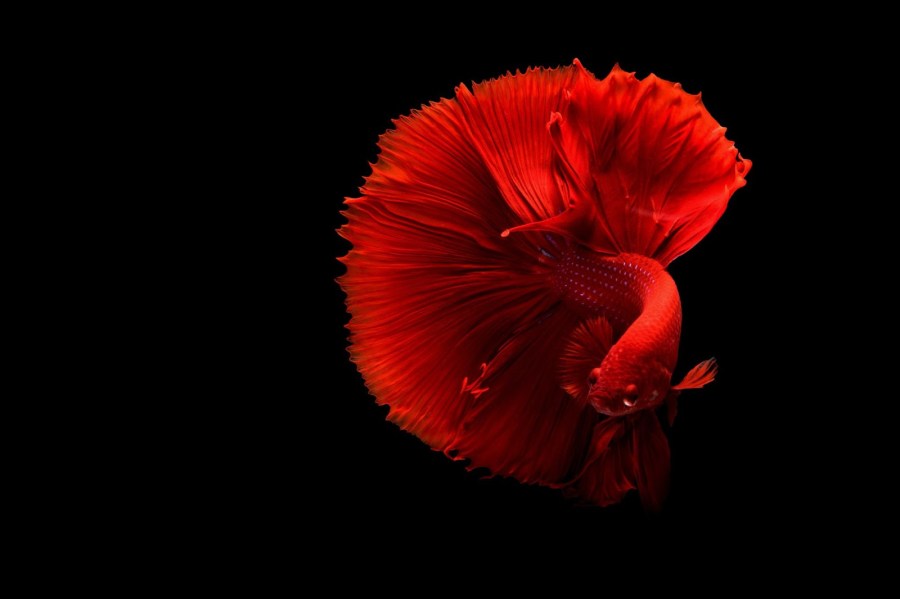
Pexels – Chevenon Photography
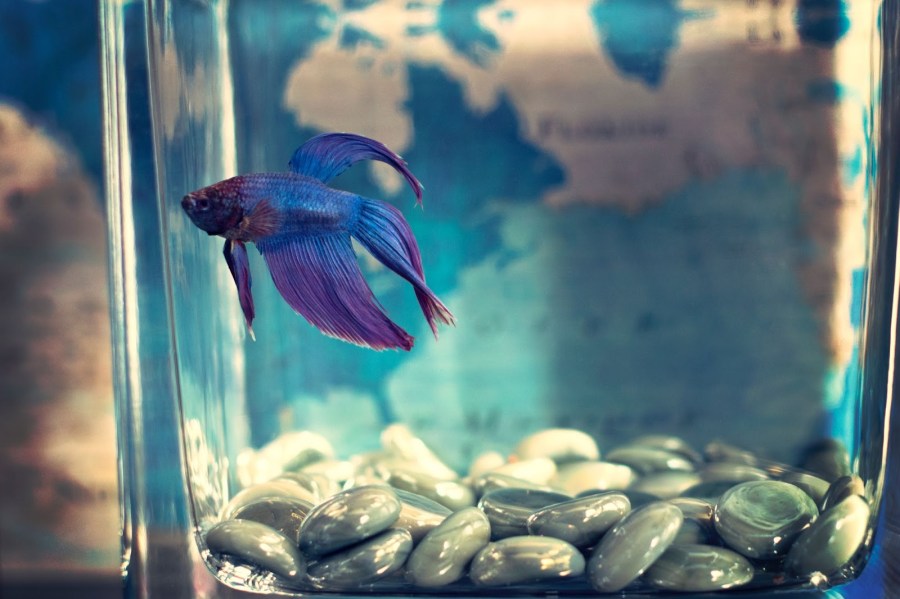
If you're not ready to invest in a whole tank set up, that doesn't mean that you can't have a pet fish. To dip your toes in without having to make as much commitment, you might want to consider a betta.
To have a betta as your pet fish, it's important to note some of the common misconceptions. For instance, those tiny bowls that you often find pet fish in at the pet store? They actually aren't good for betta fish. While they don't need a huge tank set up, bettas do need at least five gallons. They will also need a heater, as they require temperatures between 72 – 82 degrees Fahrenheit to really thrive.
Other than that, you'll likely want to have a filter set up as well. And a cover for the aquarium is also a great idea, as betta fish are known to jump out of their tanks. They also need to be solo creatures, as male bettas will literally fight to the death.
Betta fish are carnivores by nature, so their diet will need to be insect-based. Luckily, there are betta-specific fish foods out there that can fulfill all of their dietary needs. They only need to be fed a small amount daily, and only as much as they can eat in two minutes.
How To Identify Trouble
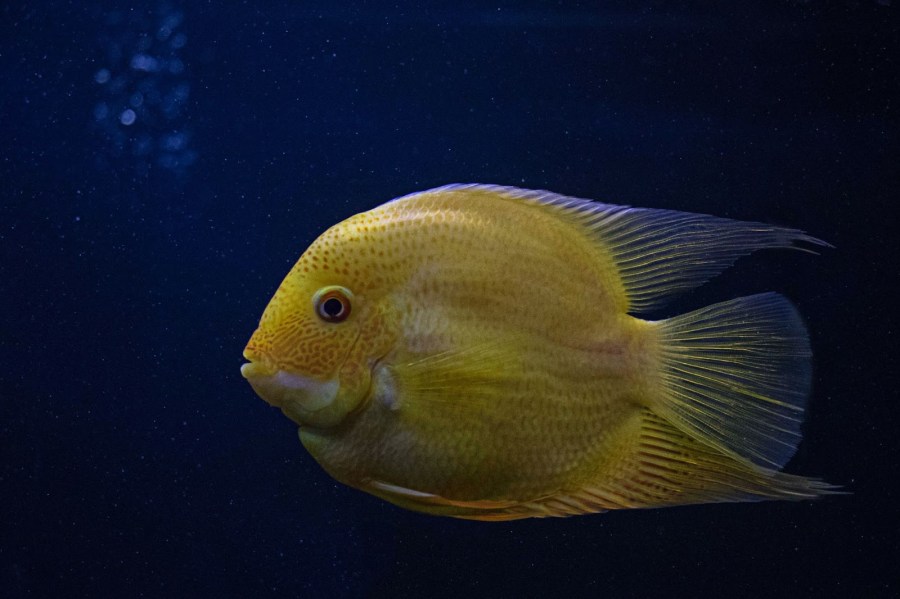
Pexels – Samarth Singhai
While fish can't express how they're feeling quite as well as lot of other small mammals can, there are some recommendations for routine care and ways that you can identify that your fish may be having problems.
Generally, any time there is a major difference in the way your fish behaves and their color, it is a sign that something may be off. In most cases, that can be traced directly to the condition of the water. In some cases, your fish may need medication to help it heal. These can be given by dropping them directly in the water, rubbing them on the fish, or even directly injecting them (obviously this is not recommended for beginners). Avoid purchasing fish medicine over the counter, and try to have your fish diagnosed if at all possible.
There is more and more research and study being put into how best to take care of the veterinary needs of fish. The more we know, the better we can do for our pet fish. Just because they aren't as cute and fuzzy as a gerbil or a hamster doesn't mean they don't require the same level of care.
Always Be Careful Cleaning Your Tank
Anything involving aquariums, either freshwater or saltwater, comes with risk. There are a few, aquarium specific bacteria that you may encounter when cleaning your tank. Aeromonas, Mycobacterium marinum, Salmonella, and Streptococcus can all be found in home tanks, and each can cause illness in the people who come into contact with them.
To help prevent that, wash your hands both before and after you clean the tank.
In Summary
Are you considering starting your own fish tank? Whether you decide to go with a freshwater tank, a saltwater tank, or just a simple betta bowl, Ash Media wants you to be as prepared as you can be for the needed setup and maintenance. Knowing which fish are best for newbies, and how to recognize any signs of trouble, can turn a potentially intimidating situation into one where you feel confident that you can handle your new pet fish's needs.
Sources:
Fish | Healthy Pets, Healthy People | CDC
Routine Health Care of Fish – All Other Pets | Merck Vet Manual
Standards taking shape for health, welfare of fish | American Veterinary Medical Association (avma.org)
Source: https://www.reference.com/pets-animals/pet-fish?utm_content=params%3Ao%3D740005%26ad%3DdirN%26qo%3DserpIndex&ueid=b417ac1f-cf55-4cc4-807a-46c594d3a56b
0 Response to "Preschool Cartoon Images of Feeding Pet Fish"
Post a Comment