Ceramic Pieces Ceramic Pieces With Distinct Harmony Though a Repeating Art Element
A Visual Oasis of Balanced Colour, Shape and Course
Think of the elements of art as your raw materials, and the principles of art are how you lot mold and shape them. It is where the style of an creative person manipulates the substances he or she choose to use. Rhythm, harmony in art, balance, contrast, movement, proportion, and variety — all principles of fine art that can be used solo or in concert with 1 another.
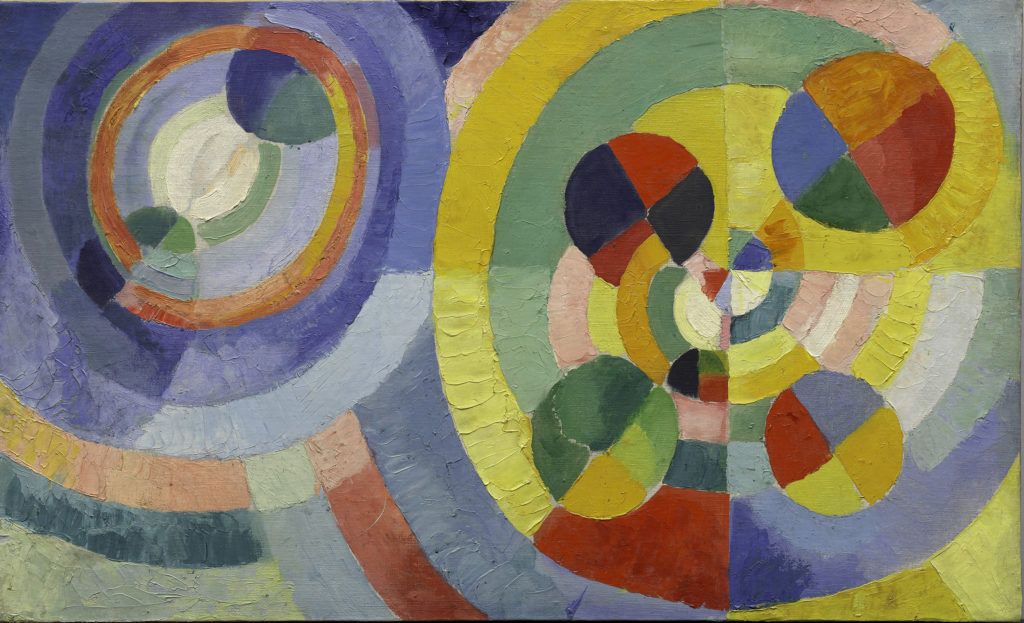
Harmony in art overall is accomplished when the elements of an artwork come together in a unified manner. Sure element can be repeated, even so they however look and feel similar they are lending themselves to a whole. Harmony is definitely non monotony but also not chaos. It is that perfect pairing of the two.
Harmony is conveyed in several ways. You can have harmony in fine art using color as your vehicle, likewise equally the marks you make and the forms yous paint.
Color Harmony in Art
The ability and entreatment of color is what draws many artists to the easel for the starting time fourth dimension. But colour comes with its ain share of complications. There are a number of color theories effectually creating harmonious color.
One is the use of complementary colors. Another is using split complementaries, which is where a complement's flanking colour is used. For example: yellow with blueish-purple and purple-crimson. Other painters create harmony in art with analogous color schemes, which feature colors that are in close proximity to 1 another (as opposed to contrary) on the colour cycle.
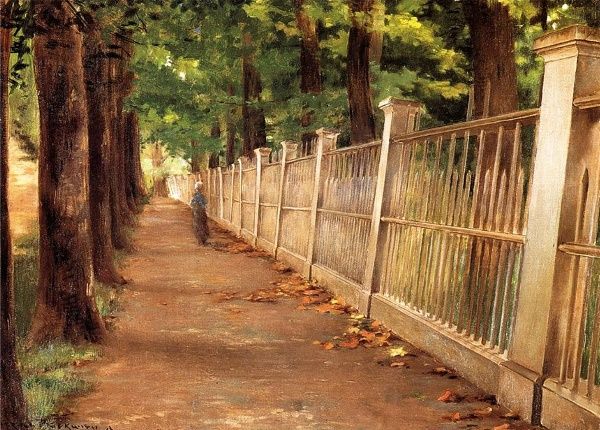
Another way to assure color harmonies is to make sure to remember value is almost more of import than color. Whether employed subtly or boldly, colors in a painting have to share a relationship and that is oftentimes established through like color values. Otherwise, they appear unnatural.
Colour associations can besides come into play to accomplish visual harmony. A sure subject area or identify (or fourth dimension of twenty-four hour period) may take color associations. A viewer volition almost instinctively accept these if not have them for granted. But in the end, the relationship, or harmony, of color is steered by you, the artist, foremost, with all of these options at your disposal.
Forms and Marks
Experimenting with forms and marks is key for any painter. Describing forms and making marks that are harmonious is frequently a matter of taking into the consideration of how the eye itself sees. For example, directing your gaze means that certain things come into focus and other things are blurred and hazy. The human being center does not meet everything in particular all at once.
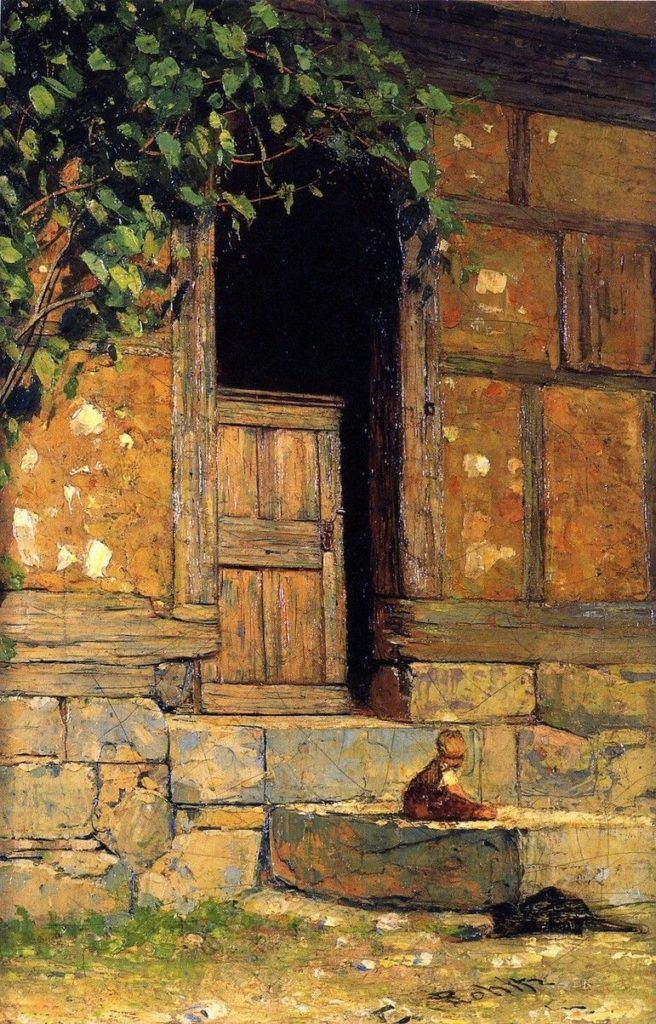
Painters often hunt this phenomenon with harmony of edges, both lost and establish, hard and soft, rather than relying on such precise, uniformly delineated lines or forms.
Soft edges recede and are frequently used to betoken distance or a course turning. Hard edges bring forms, patterns and texture into focus. Lost edges are key to giving your painting life. An excess of "found" edges lead yous to hyperrealism–an appealing way of art all on its own just definitely not realistic.
Shapes and Proportions
Shapes that have similar characteristics are visually read every bit harmonious. It is introducing contrasting shapes that leads to visual discord: jagged edged lines confronting curves for example.
Proportion is a slightly different case. The same sizes repeated in a painting may actually be too like for true harmony. Instead, shapes that differ in shape by consequent ratios achieves good residuum.
The Final Say for Harmony in Art?
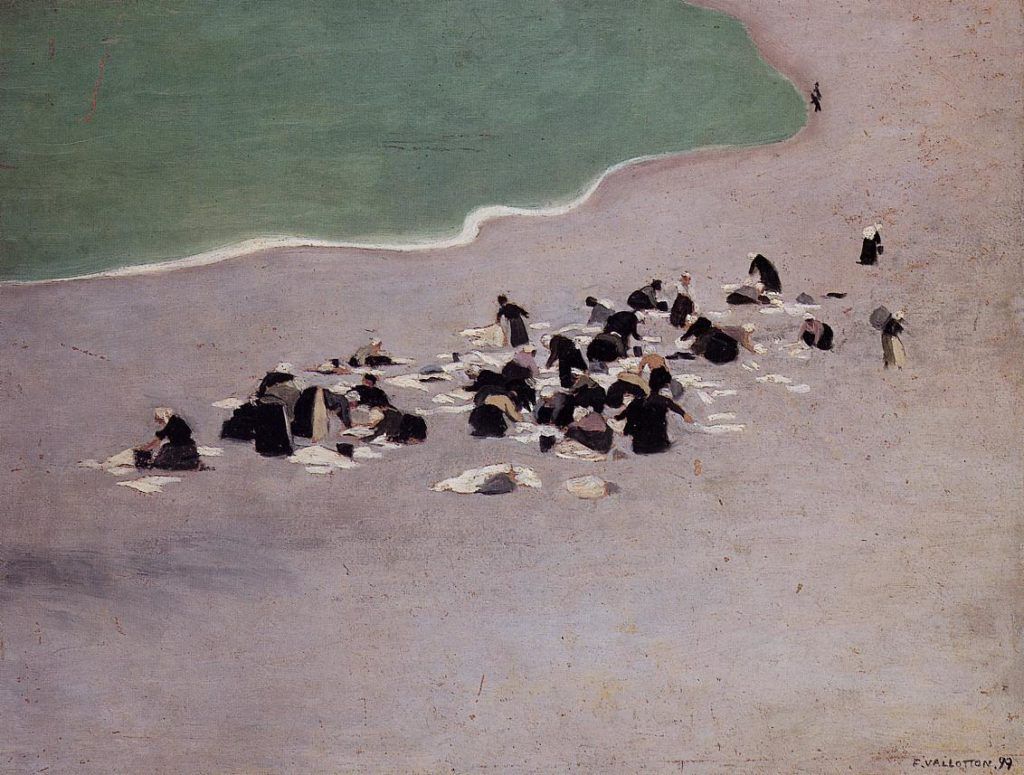
It'due south up to you! In the terminate, harmony is an aesthetic response and one that is different for everyone. The strategies nosotros've given you certainly lend themselves to harmony, but in the end perceptions are unique then go what feels harmonious to yous, artists!
If you lot are seeking an artistic guide to help you forth the way, you could cull none better than the artists included in Pure Pastel . Harmony is always-nowadays and highly unique in every painting in this collection! Get this gorgeous book for yourself and savor!
Source: https://www.artistsnetwork.com/art-techniques/composition/harmony-in-art/
0 Response to "Ceramic Pieces Ceramic Pieces With Distinct Harmony Though a Repeating Art Element"
Post a Comment